What Is GOTS Certification for Textiles and Why Should You Care?
“Organic,” “non-toxic,” “natural,” and what not. These words are everywhere, especially on things like bed linens, towels, and clothes. But when you’re staring at a product page (or a tag in-store), it’s fair to wonder: is this actually organic, or just marketed that way?
That’s where GOTS certification comes in. It gives you a clearer way to judge those claims, and in this blog, we’ll walk through what it means, why it matters, and how you can spot it with confidence.
Table of Contents
What Is GOTS certification?
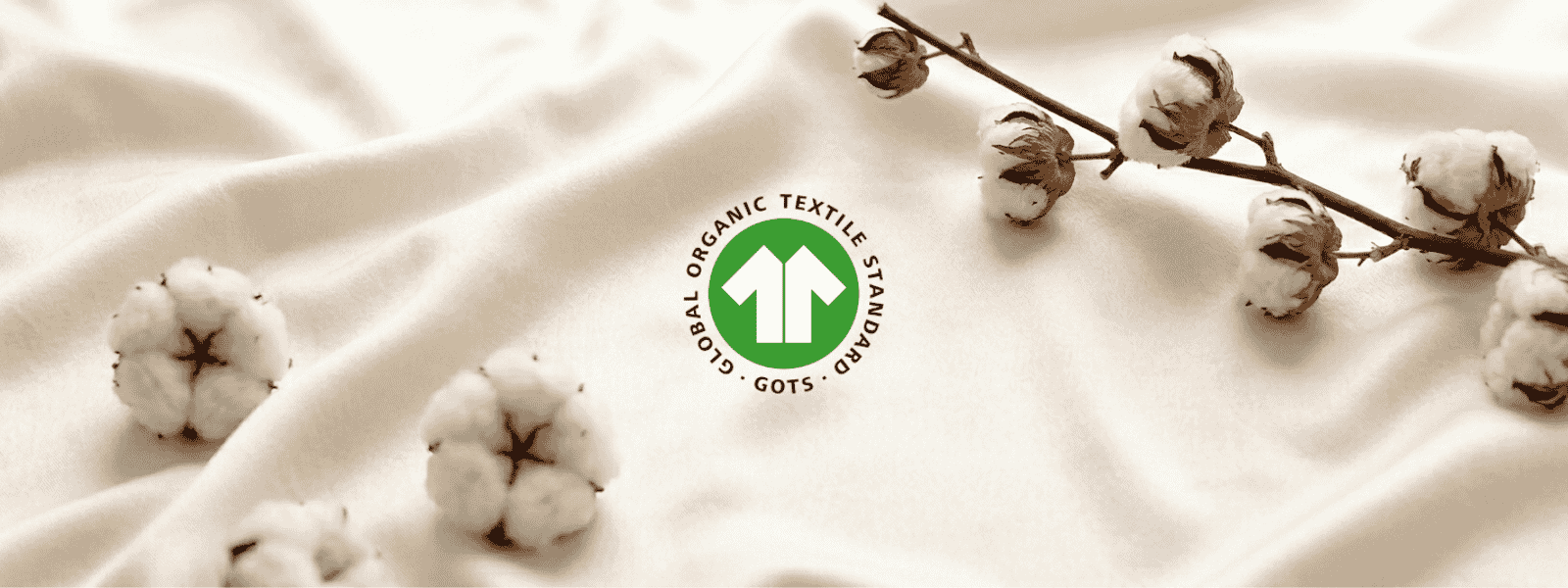
GOTS stands for the Global Organic Textile Standard. It’s a worldwide certification that sets clear requirements for how organic fibers are processed into finished textile products, covering more than just how the crop is grown.
The standard is maintained by the Global Standard organization and certification is carried out through approved third-party certification bodies. When you see a GOTS label, it signals a credible standard focused on organic content along with environmental and social responsibility across production.
GOTS has two label levels:
- GOTS Organic: products must contain at least 95% certified organic fibers.
- GOTS Made with Organic: products must contain at least 70% certified organic fibers.
The remaining percentage may include other approved materials, such as recycled or regenerated fibers, depending on the product requirements.
GOTS stands for the Global Organic Textile Standard. It’s a worldwide certification that sets clear requirements for how organic fibers are processed into finished textile products, covering more than just how the crop is grown. The standard is maintained by the Global Standard organization and certification is carried out through approved third-party certification bodies. When you see a GOTS label, it signals a credible standard focused on organic content along with environmental and social responsibility across production.
GOTS has two label levels:
- GOTS Organic: products must contain at least 95% certified organic fibers.
- GOTS Made with Organic: products must contain at least 70% certified organic fibers.
The remaining percentage may include other approved materials, such as recycled or regenerated fibers, depending on the product requirements.
Who Introduced GOTS Certification?
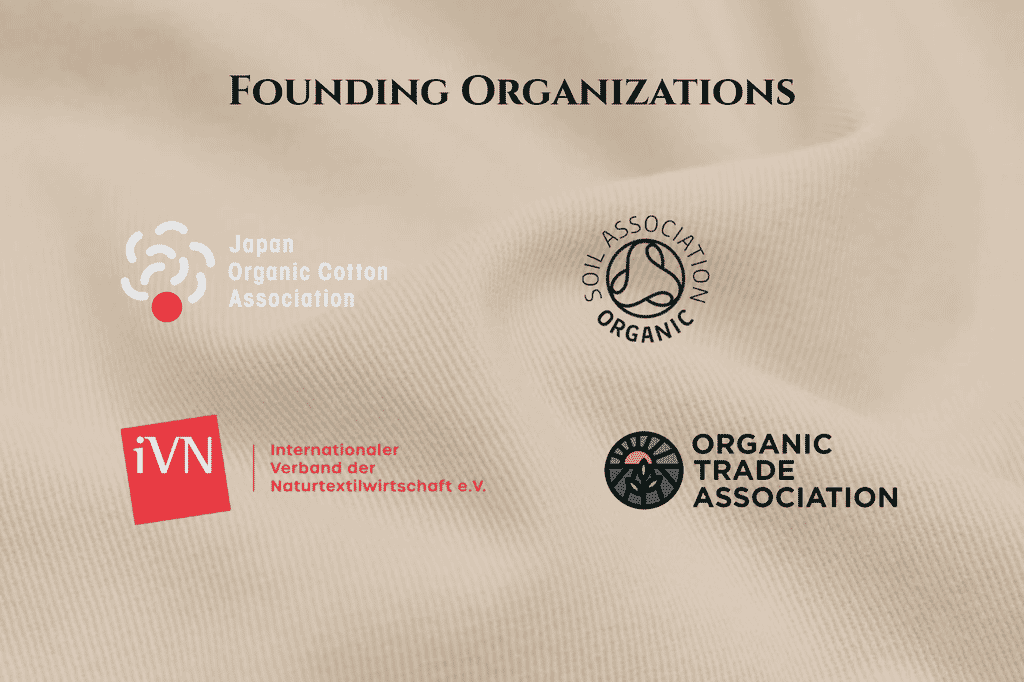
GOTS was introduced through a joint effort led by four respected organizations: Organic Trade Association (OTA, USA), Internationaler Verband der Naturtextilwirtschaft (IVN, Germany), Soil Association (UK), and Japan Organic Cotton Association (JOCA, Japan). IVN and JOCA represent the textile industry side, while OTA and the Soil Association come from the broader organic movement. They joined forces to bring multiple “organic textile” standards under one globally recognized framework, making it easier for brands, retailers, and consumers to trust what “organic” really means in textiles.
The momentum started at the Intercot Conference in Düsseldorf in 2002, where producers, textile leaders, certifiers, and consumers agreed a global standard was urgently needed.That workshop led to an international working group, and after several years of collaboration, the Global Organic Textile Standard (GOTS) was established in 2006.
To help retailers clearly show compliance, the group also developed the GOTS label, which was finalized in 2008 and then presented publicly the same year.
GOTS was introduced through a joint effort led by four respected organizations: Organic Trade Association (OTA, USA), Internationaler Verband der Naturtextilwirtschaft (IVN, Germany), Soil Association (UK), and Japan Organic Cotton Association (JOCA, Japan). IVN and JOCA represent the textile industry side, while OTA and the Soil Association come from the broader organic movement. They joined forces to bring multiple “organic textile” standards under one globally recognized framework, making it easier for brands, retailers, and consumers to trust what “organic” really means in textiles.
The momentum started at the Intercot Conference in Düsseldorf in 2002, where producers, textile leaders, certifiers, and consumers agreed a global standard was urgently needed. That workshop led to an international working group, and after several years of collaboration, the Global Organic Textile Standard (GOTS) was established in 2006. To help retailers clearly show compliance, the group also developed the GOTS label, which was finalized in 2008 and then presented publicly the same year.
What Are the Key GOTS Certification Criteria?
Organic fiber content
GOTS products must meet minimum organic fiber levels. “GOTS Organic” means at least 95% certified organic fiber, while “GOTS Made with Organic” means at least 70% (with limited room for approved additional fibers/materials).
Safer chemical inputs
GOTS tightly controls what’s used during processing. Harmful substances like toxic heavy metals and formaldehyde are prohibited, and only approved dyes and auxiliaries can be used, keeping hazardous inputs out of the certified chain.
Environmental requirements
GOTS starts with fibers from certified organic farming, which means no synthetic pesticides or GMOs. It also expects certified facilities to follow an environmental approach that includes wastewater treatment, plus documented policies for managing chemical use, energy, waste, and emissions to reduce overall impact.
Social protections
GOTS-certified facilities must meet key social criteria aligned with International Labour Organization (ILO) conventions, covering areas like respect for human rights, no forced labor, no child labor, no discrimination, protection from violence and harassment, gender equality, freedom of association and collective bargaining, occupational health and safety (OHS), fair remuneration and living-wage efforts, and reasonable working hours.
Which Textile Processing Stages Does GOTS Cover?
GOTS stands out because it holds textiles to a strict standard from start to finish. It’s not only focused on how organic fibers are grown, it also checks the real-world steps that turn those fibers into products you actually use.
1) Early fiber processing
This is the first “getting the raw fiber ready” stage. For example, cotton gets cleaned and separated from seeds, plant fibers like flax or hemp go through early prep steps, and animal fibers (like wool or silk) are cleaned and prepared too.
2) Spinning (fiber to yarn)
Next, the fiber is turned into yarn. This is where the material gets twisted and strengthened so it can be woven or knitted later.
3) Weaving or knitting
Now the yarn becomes fabric. Depending on the product, it may be woven (like many bedsheets) or knitted (like t-shirts).
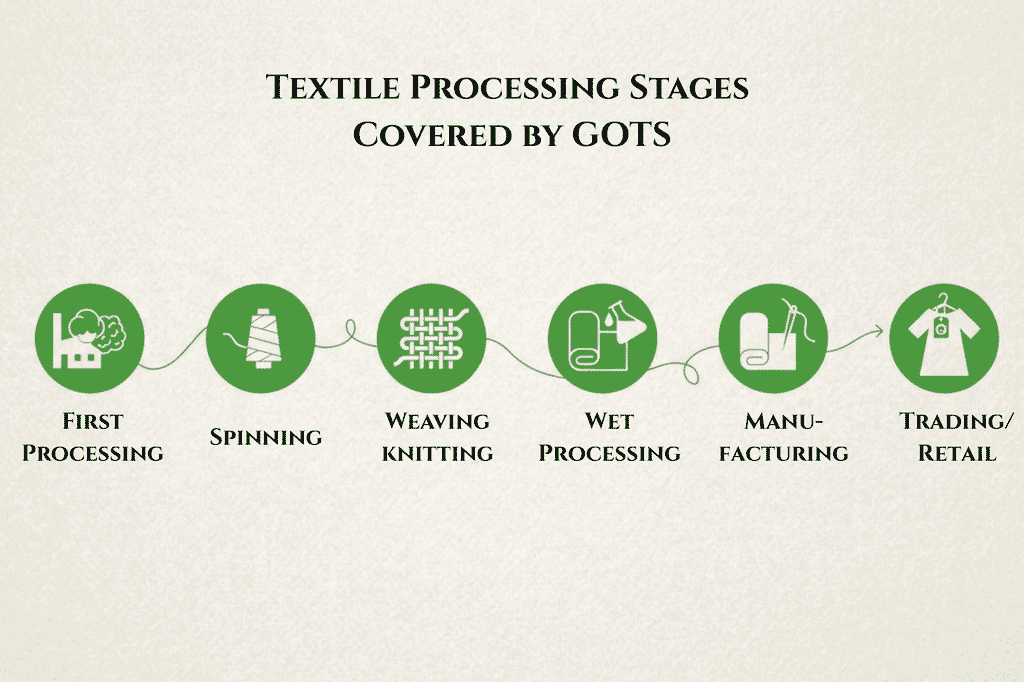
4) Wet processing
This is the stage where fabric gets treated, things like washing, bleaching, dyeing, printing, and finishing. It’s also one of the most important steps GOTS monitors because it involves chemical inputs.
5) Manufacturing
This is the “cut and sew” stage where fabric becomes finished goods, like clothing, towels, bedding, and other home textiles. It can include steps like assembling pieces, fabric marking, stitching, ironing, sorting, folding or bundling (balling), and filling or stuffing.
6) Trading
GOTS also applies to B2B trading of certified goods (like selling yarn or fabric between companies), so certification isn’t lost or mixed up as materials move through the supply chain.
GOTS keeps the entire supply chain traceable by requiring every company involved to meet strict rules and prove where materials come from and where they go. This is supported by independent on-site audits and documentation like Scope Certificates (what a company is certified for, including sites and approved partners) and Transaction Certificates (records that track certified goods as they move between businesses), creating a clear trail from raw fiber to finished product.
GOTS stands out because it holds textiles to a strict standard from start to finish. It’s not only focused on how organic fibers are grown, it also checks the real-world steps that turn those fibers into products you actually use.
1) Early fiber processing
This is the first “getting the raw fiber ready” stage. For example, cotton gets cleaned and separated from seeds, plant fibers like flax or hemp go through early prep steps, and animal fibers (like wool or silk) are cleaned and prepared too.
2) Spinning (fiber to yarn)
Next, the fiber is turned into yarn. This is where the material gets twisted and strengthened so it can be woven or knitted later.
3) Weaving or knitting
Now the yarn becomes fabric. Depending on the product, it may be woven (like many bedsheets) or knitted (like t-shirts).
4) Wet processing
This is the stage where fabric gets treated, things like washing, bleaching, dyeing, printing, and finishing. It’s also one of the most important steps GOTS monitors because it involves chemical inputs.
5) Manufacturing
This is the “cut and sew” stage where fabric becomes finished goods, like clothing, towels, bedding, and other home textiles. It can include steps like assembling pieces, fabric marking, stitching, ironing, sorting, folding or bundling (balling), and filling or stuffing.
6) Trading
GOTS also applies to B2B trading of certified goods (like selling yarn or fabric between companies), so certification isn’t lost or mixed up as materials move through the supply chain.
GOTS keeps the entire supply chain traceable by requiring every company involved to meet strict rules and prove where materials come from and where they go. This is supported by independent on-site audits and documentation like Scope Certificates (what a company is certified for, including sites and approved partners) and Transaction Certificates (records that track certified goods as they move between businesses), creating a clear trail from raw fiber to finished product.
Why Does GOTS Certification Matter to You?
Improves comfort and safety
GOTS sets strict requirements for processing and inputs, which helps reduce the use of harsh substances that can irritate skin. That’s especially relevant for textiles that stay close for long stretches, like bed linens, clothes worn next to the skin, and baby or kids’ items.
Supports longer-lasting textiles
As GOTS includes rigorous production requirements, it’s often associated with well-made products that maintain their integrity through regular use and repeated washing. In real life, that can mean fewer replacements over time and better value from the pieces you reach for constantly.
Builds trust through traceability
GOTS is built to support traceability across the value chain, helping track certified organic fibers as they move through production. That transparency makes organic claims easier to validate.
Helps confirm authenticity through third-party verification
Unlike self-claimed “organic” labels, GOTS relies on independent assessment. A third-party certifier checks that organic requirements are met across the production chain, helping “organic” mean something specific and accountable, not just a feel-good word.
How Can You Check If a Product Is GOTS Certified?
- Look for the GOTS label (and the grade)
First, check the tag or packaging for the GOTS label. A real GOTS-certified item should clearly show the label grade, such as “Organic”, “Made with organic” or “(Made with) organic in conversion”. That wording matters because it tells you what level of organic content the product meets.
- Read the product description carefully
If you’re shopping online, the next clue is in the product details. Look for a clear mention of GOTS certification, not vague phrases like “eco-friendly” or “organic-inspired.” A solid listing will often include these details in the description clearly.
- Verify the license number in the GOTS database
The GOTS label should include a license number (usually with the certifying body). Go to the official GOTS public database, enter the number, and check that the company is listed as certified.
- Ask the brand or retailer if you’re unsure
If anything feels unclear, just ask. Request the third-party certification details or the license number. Brands that are genuinely certified can usually provide this information without hesitation.
Conclusion
Next time you’re staring at two “organic” options in textile and wondering which one is the real deal, you’ll know what to look for, things like the label details and certification information that back up the claim. That small habit can turn a confusing decision into a clear one. Want more guides like this? Browse our blog section for simple explanations of fabric care and how to shop smarter for bedding essentials, plus quick breakdowns of other certifications (like OEKO-TEX Standard 100).
FAQs
What’s the difference between “GOTS Organic” and “GOTS Made with Organic”?
“Organic” means the product contains at least 95% certified organic fibers. “Made with organic” means it contains at least 70% certified organic fibers.
Does GOTS certification guarantee a product is organic?
It guarantees the product meets GOTS organic fiber thresholds and certification rules for labeling. The label grade tells you the minimum organic fiber content (70% or 95%).
Can a product be GOTS certified if it’s not 100% organic fiber?
Yes. GOTS allows certification starting at 70% certified organic fiber (“made with organic”). “Organic” requires 95%.
How do I know if a GOTS label is real?
Check that it shows the GOTS logo + label grade + approved certifier + license number, then verify the license number in the official GOTS database.
Are GOTS-certified bed linens better?
They’re “better” if you want a verified organic claim and full supply-chain criteria (not just a finished-product test); comfort/feel still depends on the fabric itself.
SOURCE: Global Organic Textile Standard