New Bedding Pilling Too Soon? Here’s Why (and What to Do)
Does your new bedding already have tiny balls of fuzz on the surface, and you’re wondering if it’s ruined forever? Relax. It probably isn’t.
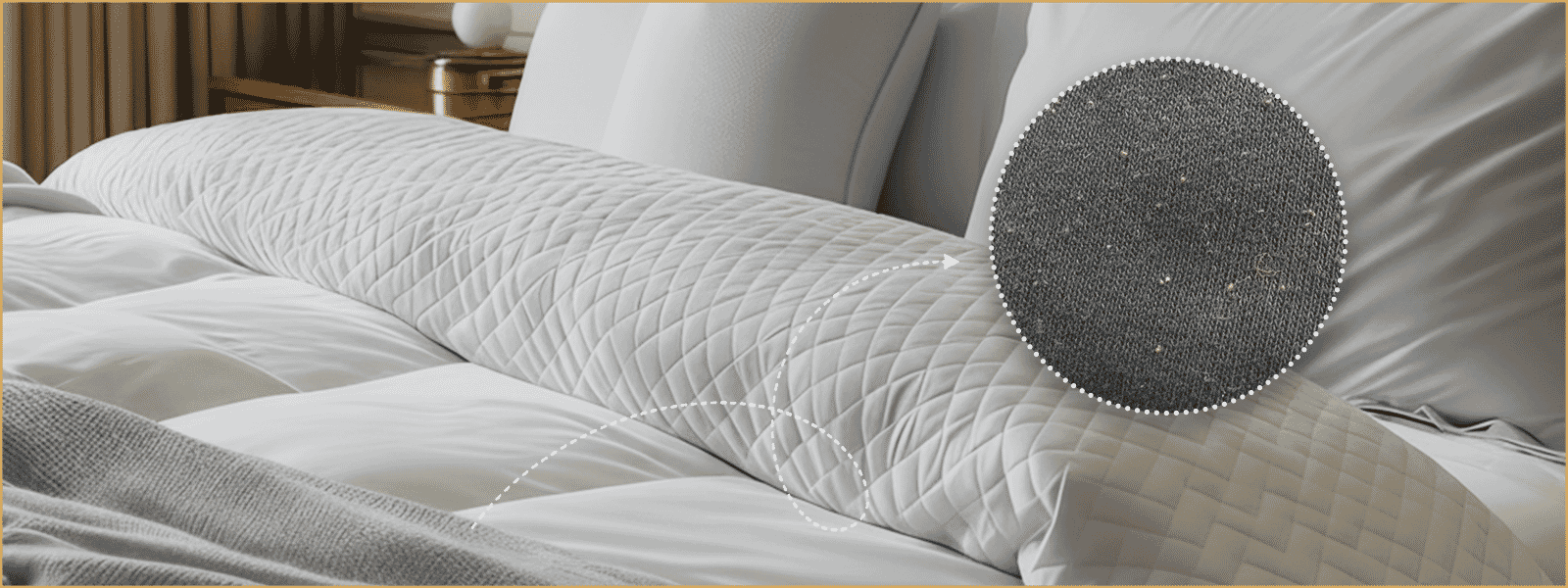
What you’re seeing is called pilling. Usually, people tend to notice these after the first few washes. It is not limited to a particular linen; it can show up on different layers of bedding like sheets, Duvet Covers, pillowcases, and even blankets.
Pilling doesn’t always indicate poor-quality fabric or weave. In many cases, it happens because of a mix of factors, which we’ll discuss in this blog.
Table of Contents
What Is Pilling on Bedding?
Pilling is the appearance of small fuzzy balls on the surface of the fabric. It happens when loose fibers in the fabric rub against each other.
This usually occurs because of friction from sleeping, washing, or drying.
You’ll typically notice pilling on:
- Bedsheets
- Duvet covers
- Pillowcases
- Blankets
Once you understand why it happens, it becomes much easier to keep different bedding layers like Sheets, Duvet Covers, and Pillowcases looking their best for a longer time. Small care habits can go a long way in maintaining that fresh, smooth feel. We offer a wide range of beddings.
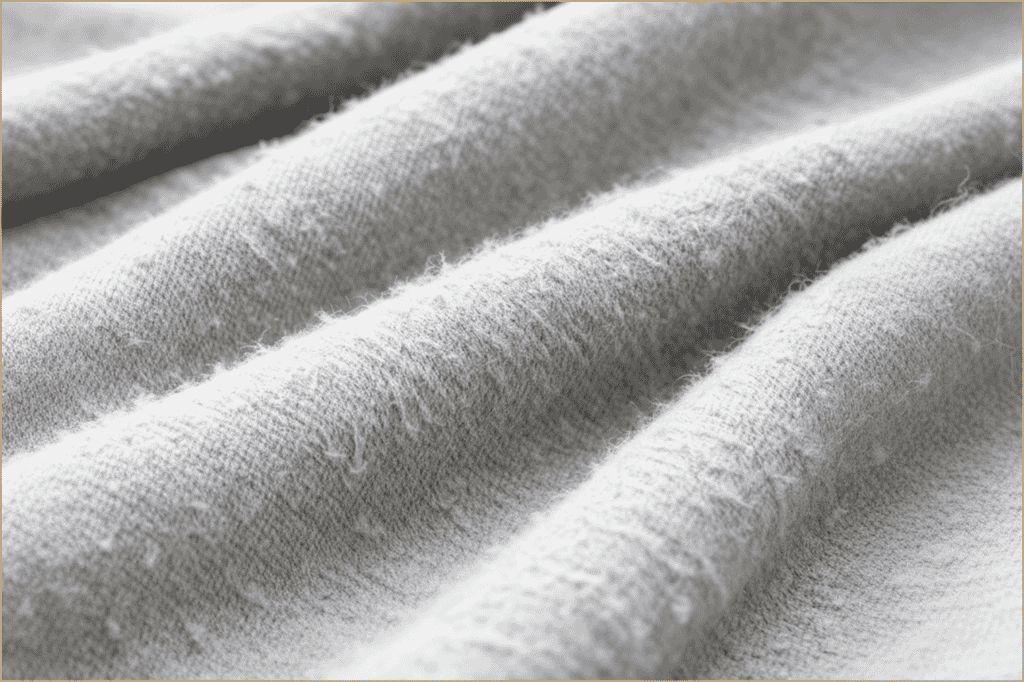
Pilling is the appearance of small fuzzy balls on the surface of the fabric. It happens when loose fibers in the fabric rub against each other.
This usually occurs because of friction from sleeping, washing, or drying.
You’ll typically notice pilling on:
- Bedsheets
- Duvet covers
- Pillowcases
- Blankets
Once you understand why it happens, it becomes much easier to keep different bedding layers like Sheets, Duvet Covers, and Pillowcases looking their best for a longer time. Small care habits can go a long way in maintaining that fresh, smooth feel. We offer a wide range of beddings.
What Causes Pilling on Bedding?

Short Fibers in Fabric
Fabrics made with short staple fibers are more likely to pill, which can lead to small fuzz balls forming on the surface.
Fabric Blends
Blended fabrics like cotton-polyester tend to pill more because synthetic fibers stay stuck on the surface instead of falling away.
Friction During Sleep
Pilling is not always just about the fabric or the weave. Your bedding goes through constant movement every night. Common friction sources include tossing and turning, rough skin, pajamas rubbing against sheets, and pets sleeping on the bed.
Washing and Drying Methods
Hot water, harsh detergents, overloading the washer, and high heat drying can weaken fibers and cause pilling over time.
Short Fibers in Fabric
Fabrics made with short staple fibers are more likely to pill, which can lead to small fuzz balls forming on the surface.
Fabric Blends
Blended fabrics like cotton-polyester tend to pill more because synthetic fibers stay stuck on the surface instead of falling away.
Friction During Sleep
Pilling is not always just about the fabric or the weave. Your bedding goes through constant movement every night. Common friction sources include tossing and turning, rough skin, pajamas rubbing against sheets, and pets sleeping on the bed.
Washing and Drying Methods
Hot water, harsh detergents, overloading the washer, and high heat drying can weaken fibers and cause pilling over time.
Which Bedding Fabrics Pill the Most?
While we are at it, discussing the main factors causing pilling in your favorite collection, let us look at a list of some materials that naturally pill more than others.
Here is the list of fabrics more likely to pill, so you can avoid them to keep pilling at bay:
– Polyester
– Cotton blends
– Flannel
– Microfiber
– Low-quality cotton
High-quality fabrics usually have longer fibers and tighter weaves, which makes them more resistant to pilling. Here is the list of fabrics less likely to pill and can be considered a good investment:
– Egyptian cotton
– Long-staple cotton
– Linen
– Bamboo fabric
How to Prevent Bedding From Pilling?
Now let’s get to the part you have been waiting for. The right care routine that you can follow to reduce pilling and extend the life of your bedding.
Here are simple tips that help.
Wash Gently
To begin with, use cold or warm water instead of hot water, as hot water tends to weaken fibers and increase pilling.
Avoid Overloading the Washer
When bedding rubs too much against other items, friction increases. Wash bedding separately or with similar fabrics.
Use Mild Detergent
Strong detergents break down fibers. Choose gentle, fabric-safe detergents instead.
Dry on Low Heat
High heat can damage fibers. Instead:
– Air dry when possible
– Use low heat dryer settings
– Remove bedding slightly damp
Rotate Your Bedding
Using the same sheets every night increases wear. Try rotating between two or three bedding sets.
How to Remove Pilling From Bedding?
Already seeing pills on your bedding? Don’t worry. There are easy ways to remove them.
Fabric Shaver
A fabric shaver is the quickest solution. It gently trims the fuzz balls without damaging the fabric.
Sweater Comb
A sweater comb works well for larger pills on blankets or thicker sheets. Use it lightly to avoid pulling fibers.
Razor Method (Carefully)
You can also use a clean razor to shave off pills. But do this carefully to avoid cutting the fab
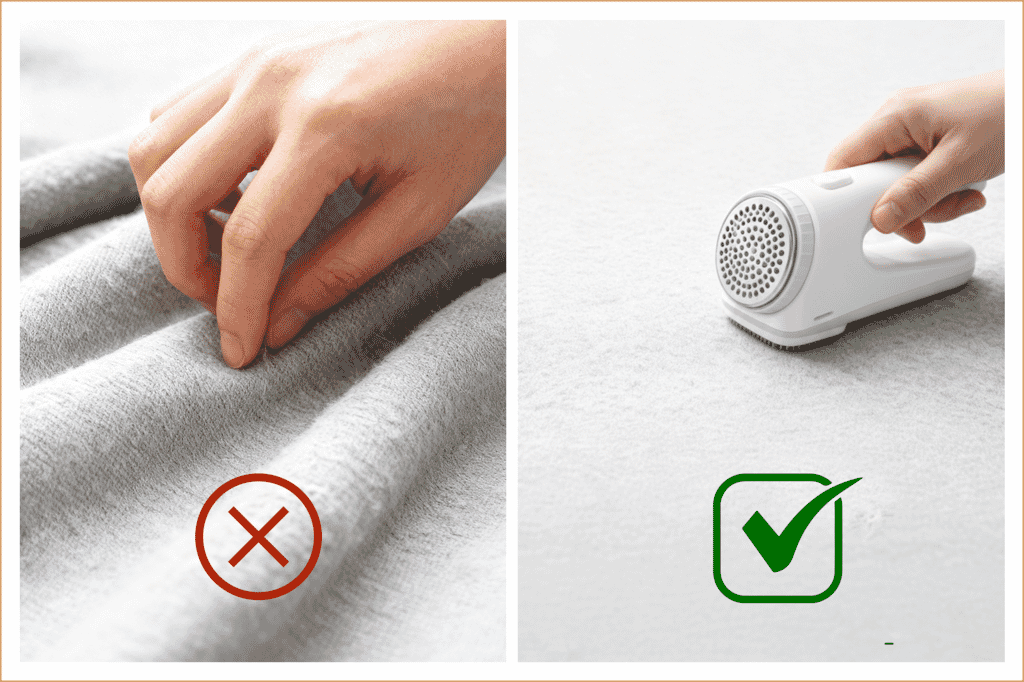
Note: Avoid pulling or plucking pills off your bedding by hand. This can tug at the fabric’s fibers and weaken the material over time. Instead, use tools like a fabric shaver or sweater comb to remove pills gently without damaging the fabric.
Already seeing pills on your bedding? Don’t worry. There are easy ways to remove them.
Fabric Shaver
A fabric shaver is the quickest solution. It gently trims the fuzz balls without damaging the fabric.
Sweater Comb
A sweater comb works well for larger pills on blankets or thicker sheets. Use it lightly to avoid pulling fibers.
Razor Method (Carefully)
You can also use a clean razor to shave off pills. But do this carefully to avoid cutting the fabric.
Note: Avoid pulling or plucking pills off your bedding by hand. This can tug at the fabric’s fibers and weaken the material over time. Instead, use tools like a fabric shaver or sweater comb to remove pills gently without damaging the fabric.
When Should You Replace Your Bedding?
Some fabric wear is normal. But if you notice these signs, it may be time for new bedding:
– Heavy pilling across large areas
– Fabric thinning or tearing
– Rough texture affecting sleep comfort
– Pills returning quickly after removal
Conclusion
If you have tried everything and those fuzz balls keep coming back, it may be time for new sheets and other bedding layers. Choosing better-quality fabrics can make a noticeable difference in comfort and durability over time. Explore Orchids Lux Home for thoughtfully designed, premium bedding, or browse our products to find Sheets, Duvet Covers, and Coverlets and much more made to keep your bed feeling soft, breathable, and inviting every night.
FAQs
Does pilling on bedding mean the sheets are of poor quality?
Not always. Pilling can happen even on good bedding due to friction and washing. While excessive pilling may indicate lower-quality fabric, a small amount over time is fairly normal.
Can pilling be removed permanently?
No. Tools like fabric shavers can remove pills and smooth the surface, but new ones may appear if the friction continues.
How do you wash bedding to prevent pilling?
Try washing Duvet Covers and other bedding layers separately, or with similar fabrics, to keep friction minimal. Remember, none of this makes pilling impossible, but it definitely reduces the chances.
Which fabrics are least likely to pill?
Some fabrics hold together better because their fibers are longer and more tightly woven. This makes them less likely to loosen and form small fuzz balls on the surface. Materials such as Egyptian cotton, long-staple cotton, linen, and bamboo fabric tend to stay smoother for longer. Not perfect, but noticeably better over time.
How long should quality bedding last?
It varies a bit. Quality bedding is designed to last. With regular use and proper washing, most well-made sheets and bedding layers last for around 2 to 5 years before natural wear sets in.